Consumer Awareness & Safety
Essential guidelines for safe meal delivery practices and responsible consumer behavior.
Ensuring Safe Meal Delivery Experiences
As meal delivery services continue to grow in popularity, understanding food safety practices and consumer awareness becomes increasingly important. Proper handling of delivered meals ensures both quality and safety, while responsible ordering habits contribute to better experiences for everyone involved in the delivery ecosystem.
Delivery Packaging Standards
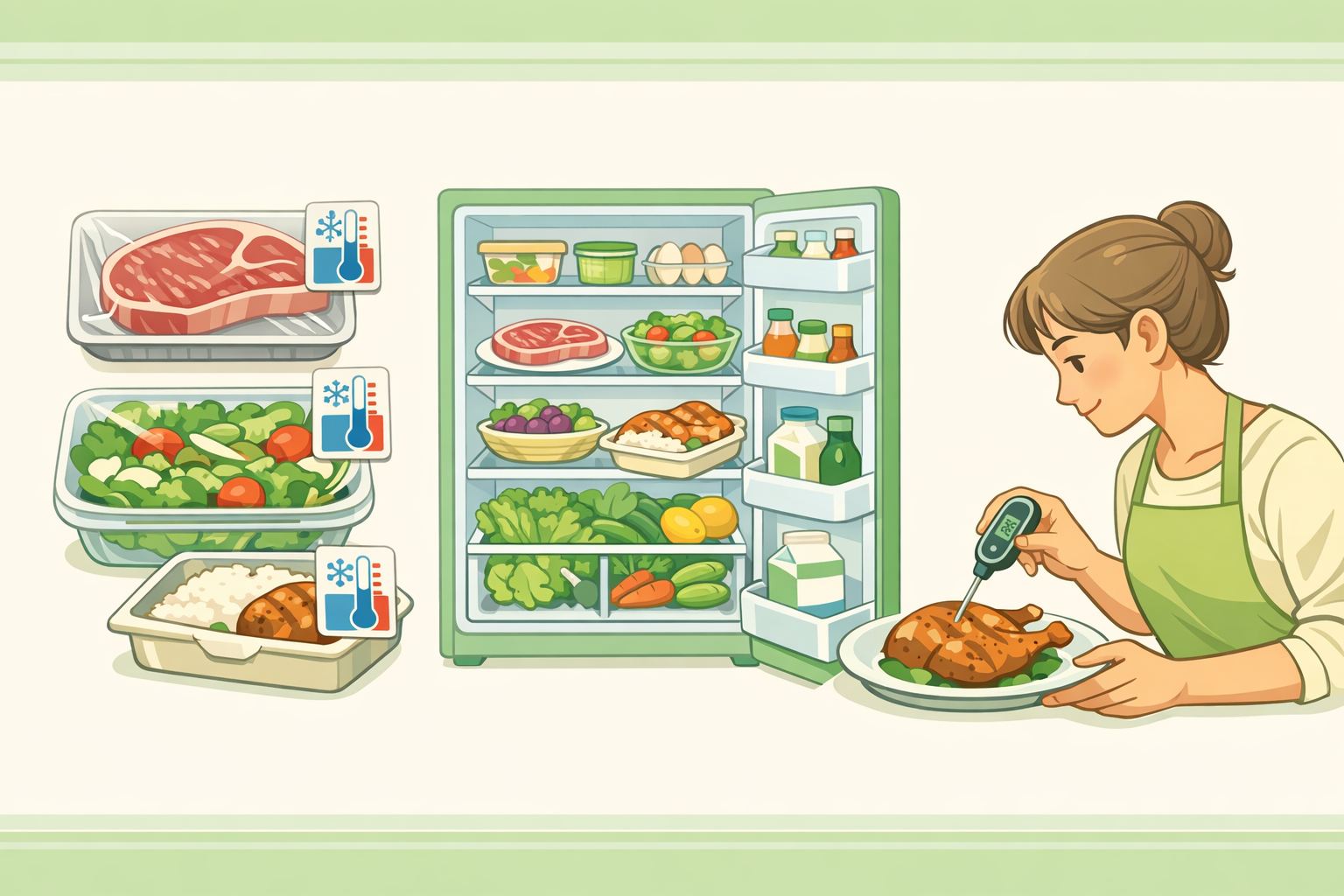
Understanding Food Packaging
Proper packaging is essential for maintaining food quality and safety during delivery. Different types of food require specific packaging solutions to preserve temperature, moisture content, and structural integrity. Hot foods need insulation to maintain serving temperatures, while cold foods require packaging that prevents temperature fluctuation during transit.
Modern delivery packaging often includes thermal insulation, moisture barriers, and secure sealing mechanisms. Many services use specialized containers designed to prevent leaks and spills while maintaining appropriate temperatures. Understanding these packaging features helps consumers recognize quality service and properly handle delivered items.
Inspecting Packaging Upon Arrival
When receiving a food delivery, it's important to inspect the packaging immediately. Check for signs of damage, tampering, or compromised seals. Ensure that containers are properly closed and that there are no leaks or spills. Any concerns about packaging integrity should be addressed promptly with the delivery service.
Pay attention to packaging materials and ensure they appear clean and appropriate for food contact. Insulation materials should be intact, and temperature control measures should be functioning properly. If packaging seems inadequate for the type of food being delivered, this may indicate quality or safety concerns.
Environmental Considerations
Sustainable packaging has become an important focus for the meal delivery industry. Many services now use eco-friendly materials, biodegradable containers, and recyclable packaging solutions. Consumers can support these efforts by properly recycling or disposing of packaging materials according to local guidelines.
Some services offer container return programs or reusable packaging options. Participating in these programs helps reduce environmental impact while often providing cost savings. When choosing delivery services, considering their environmental practices can align with personal sustainability goals.
Food Temperature Safety
The Danger Zone Concept
Food temperature safety is critical in preventing foodborne illness. The "danger zone" refers to temperatures between 40°F and 140°F (4°C to 60°C), where bacteria multiply most rapidly. Perishable foods should not remain in this temperature range for more than two hours, and this timeframe shortens to one hour in hot weather conditions.
Hot foods should be delivered at temperatures above 140°F (60°C), while cold foods should be maintained below 40°F (4°C). Understanding these temperature guidelines helps consumers assess the safety of delivered foods and make informed decisions about consumption or storage.
Checking Food Temperature
While not every consumer has access to food thermometers, there are visual and tactile indicators of food temperature. Hot foods should produce visible steam and feel hot to the touch. Cold foods should feel cool or cold, and there should be no condensation on containers that would indicate warming during transport.
If food appears lukewarm or has an unusual texture, it's better to err on the side of caution. Reheating hot foods to an internal temperature of at least 165°F (74°C) can help ensure safety, though this may affect quality. Cold foods that have warmed significantly should be discarded rather than consumed.
Time Management and Delivery Windows
Choosing appropriate delivery times helps ensure food arrives at optimal temperature. Avoid scheduling deliveries for times when you might be unavailable to receive them promptly. Consider weather conditions and potential delays when planning delivery times, as extreme temperatures can impact food safety during transit.
If you're unable to receive a delivery immediately, make arrangements with someone who can accept it. Most delivery services allow order modifications if delivery timing needs to change. Planning ahead helps prevent situations where food might sit unattended for extended periods.
Proper Storage After Delivery
Immediate Storage Practices
Upon receiving a food delivery, prioritize immediate storage of perishable items. Remove food from delivery packaging and transfer it to appropriate containers for storage. Hot foods should be consumed promptly or cooled and refrigerated within two hours. Cold foods should be placed directly into refrigeration or freezers as appropriate.
Proper storage containers help maintain food quality and prevent cross-contamination. Use airtight containers for refrigerated items and freezer-safe packaging for items that will be frozen. Label containers with dates to track how long food has been stored and ensure proper rotation.
Refrigeration Guidelines
Understanding proper refrigeration practices helps extend the shelf life of delivered foods. Keep refrigerator temperatures at or below 40°F (4°C) and organize foods to promote proper air circulation. Store raw and cooked foods separately to prevent cross-contamination, and place newer items behind older ones to encourage proper rotation.
Different foods have varying refrigeration lifespans. Cooked foods typically remain safe for 3-4 days when properly refrigerated, while fresh produce may last longer. Consult food safety guidelines for specific recommendations about different types of foods and their recommended storage durations.
Freezing Delivered Foods
Freezing can extend the life of many delivered foods significantly. Most cooked meals can be frozen for 2-6 months, depending on the type of food and preparation method. Proper packaging is essential for maintaining quality during freezing - use freezer-safe containers and remove as much air as possible before sealing.
Label frozen items clearly with contents and freezing dates. When reheating frozen foods, thaw them properly in the refrigerator rather than at room temperature. This ensures even thawing and minimizes the risk of bacterial growth during the thawing process.
Responsible Ordering Practices
Order Planning and Scheduling
Responsible ordering begins with thoughtful planning. Consider your schedule and availability when placing orders. Ensure someone will be available to receive deliveries at the specified time, or make alternative arrangements. This planning prevents food from sitting unattended and helps ensure proper temperature maintenance.
Order appropriate quantities to avoid excessive waste. Consider portion sizes realistically and account for your meal planning needs. Ordering more than you can consume within safe timeframes leads to food waste and potential safety issues.
Communication with Delivery Services
Clear communication with delivery services enhances the overall experience and safety. Provide accurate delivery instructions, including building access information, special directions, and contact details. If you have specific food safety concerns or requirements, communicate these clearly when placing orders.
Report any issues with deliveries promptly, including temperature concerns, packaging problems, or quality issues. Most services have customer support channels specifically designed to address these concerns. Prompt reporting helps improve service quality and allows for appropriate resolution.
Supporting Delivery Personnel
Delivery personnel play a crucial role in the meal delivery ecosystem. Providing clear instructions, being available for handoff when possible, and acknowledging their efforts contributes to positive delivery experiences. Consider factors like weather conditions and complex delivery locations when evaluating delivery performance.
Appropriate tipping practices recognize the service provided by delivery personnel. While specific tipping practices vary by region and service type, fair compensation helps ensure quality service and supports delivery workers who often work in challenging conditions.
Health and Dietary Considerations
When ordering delivered meals, be mindful of your health conditions and dietary restrictions. Carefully read menu descriptions and ingredient lists when available. If you have allergies or specific dietary needs, communicate these clearly when placing orders and verify that the service can accommodate your requirements.
Keep track of your nutritional intake, especially when ordering delivery frequently. Many services provide nutritional information for menu items. Use this information to make informed choices that align with your health goals and dietary requirements.
General Food Safety Reminders
When in Doubt, Throw It Out
The golden rule of food safety applies to delivered meals as much as any other food source. If you have any doubts about food safety - whether due to temperature concerns, unusual appearance or smell, compromised packaging, or extended time at room temperature - it's better to discard the food rather than risk illness.
Signs of food spoilage include unusual odors, visible mold, discoloration, or texture changes. Trust your senses and prioritize safety over concerns about food waste. Most delivery services have policies addressing food safety concerns and may offer replacements or credits when legitimate issues arise.
Staying Informed
Food safety guidelines and best practices evolve as new research becomes available. Stay informed about current recommendations from trusted sources such as the USDA, FDA, and local health departments. These organizations provide up-to-date information on food safety practices that apply to all food handling scenarios, including delivered meals.
Regularly review safety guidelines and adapt your practices accordingly. As meal delivery technology and practices evolve, new safety considerations may emerge. Staying informed ensures you can continue to enjoy the convenience of meal delivery while maintaining high standards of food safety.