The Growth of Meal Delivery in America
Understanding the evolution, trends, and consumer behavior behind the rising popularity of meal delivery services across the United States.
The Rise of Home Meal Delivery
Over the past decade, the meal delivery industry has experienced unprecedented growth across the United States. What was once considered a luxury service has transformed into an essential component of modern American dining culture. The convenience of having meals delivered directly to homes has revolutionized how millions of Americans access food, particularly in urban and suburban areas.
Statistics show a steady increase in meal delivery usage nationwide, with more households incorporating these services into their weekly routines. This growth has been driven by several factors including technological advancements, changing work schedules, and evolving consumer preferences for convenience and time-saving solutions.
Lifestyle and Convenience Factors
Modern Lifestyle Influences
Today's fast-paced lifestyle has made convenience a priority for many American households. With longer work hours, increased commuting times, and busy family schedules, traditional cooking has become challenging for many families. Meal delivery services offer a practical solution that helps families maintain healthy eating habits while managing their time effectively.
The millennial and Gen Z generations have been particularly instrumental in driving the adoption of meal delivery services. These demographics value experiences and convenience, often preferring to allocate their time toward work, social activities, and personal interests rather than extensive meal preparation. This demographic shift has fundamentally altered the food service landscape.
Urbanization and Accessibility
The growth of urban and suburban living has created ideal conditions for meal delivery services. High population density enables efficient delivery networks, while improved infrastructure and transportation systems make it possible for services to reach customers quickly and reliably. Cities with robust public transportation and well-planned residential areas have seen particularly strong adoption rates.
Suburban areas have also embraced meal delivery, with services expanding their reach beyond city centers. This expansion has been facilitated by improved logistics technology and larger delivery fleets capable of serving broader geographic areas.
The Role of Digital Ordering
Technology-Driven Ordering
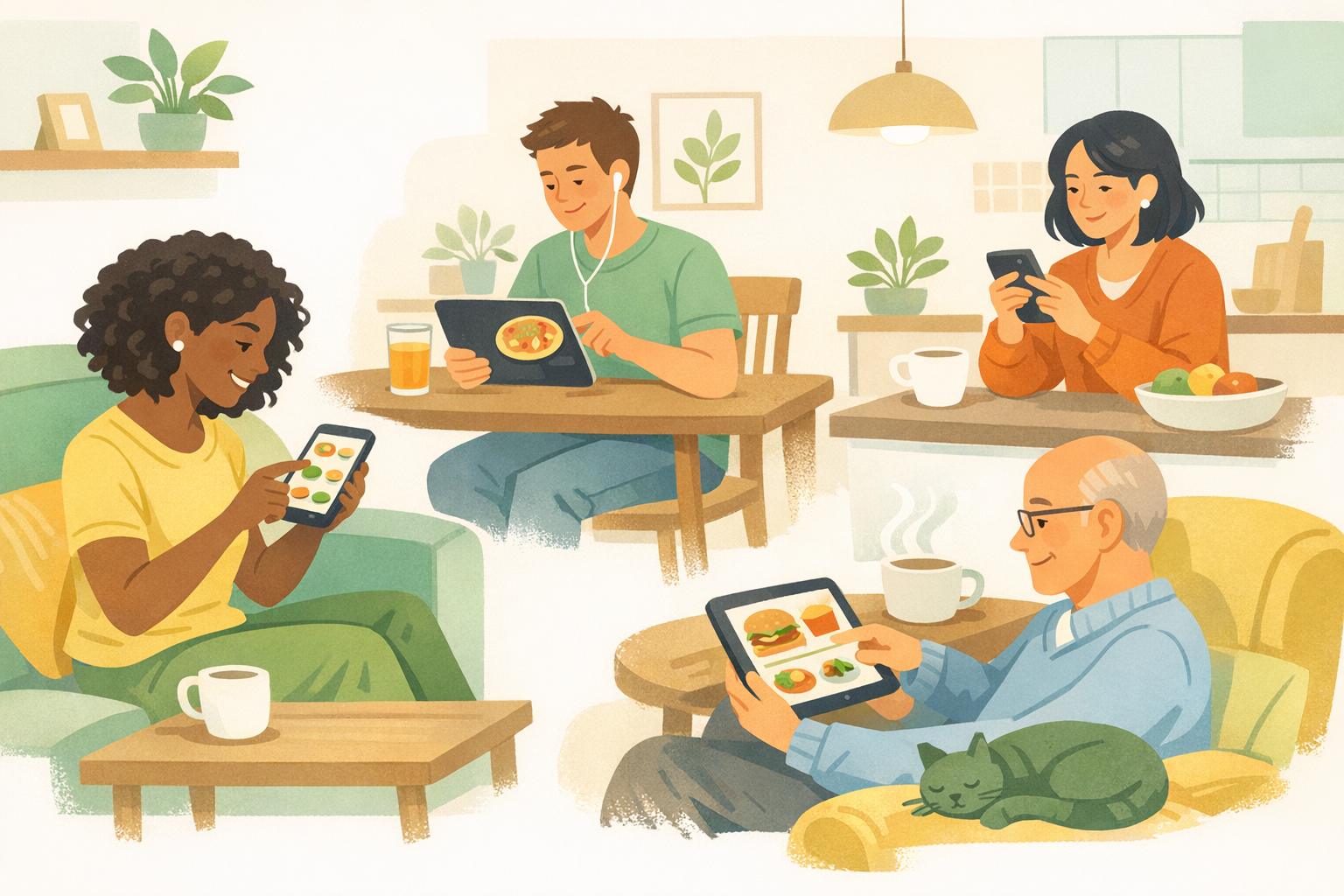
The proliferation of smartphones and mobile applications has been a crucial factor in the growth of meal delivery services. Digital ordering platforms have made it incredibly simple for consumers to browse menus, place orders, and track deliveries in real-time. The user-friendly interfaces and seamless payment integration have removed many of the barriers that previously existed in traditional food ordering.
Mobile apps and websites provide detailed information about menu items, including ingredients, nutritional information, and customer reviews. This transparency helps consumers make informed decisions about their food choices. Additionally, features like order history, saved preferences, and personalized recommendations have enhanced the overall user experience.
Payment Innovation
Digital payment systems have streamlined the ordering process significantly. The integration of secure payment gateways, digital wallets, and contactless payment options has made transactions faster and more secure. These innovations have particularly resonated with younger consumers who prefer digital payment methods over cash transactions.
Loyalty programs and subscription models have also encouraged repeat usage by offering incentives and discounts to regular customers. These programs help services build lasting relationships with their customer base while providing value through savings and exclusive offers.
Impact on Consumer Behavior
Changing Dining Patterns
The availability of meal delivery services has fundamentally altered dining patterns in American households. Many families now incorporate delivered meals into their weekly meal planning, supplementing home-cooked meals with convenience options. This hybrid approach allows families to enjoy the benefits of both homemade and professionally prepared meals.
Delivery services have also expanded culinary horizons by giving consumers access to diverse cuisines that might not be readily available in their local neighborhoods. This exposure to different foods has contributed to a more adventurous and varied dining culture across the country.
Economic Considerations
The economic impact of meal delivery services extends beyond individual households. The industry has created numerous jobs in delivery, logistics, customer service, and technology sectors. Additionally, restaurants have been able to expand their customer base and revenue streams through delivery partnerships, particularly during challenging economic periods.
However, consumers must be mindful of the costs associated with regular meal delivery usage, including delivery fees, service charges, and tips. Understanding these costs is essential for budget-conscious households that want to balance convenience with financial responsibility.
Future Trends
Evolving Landscape
The meal delivery industry continues to evolve with new technologies and business models emerging regularly. Advances in artificial intelligence are improving recommendation systems and optimizing delivery routes. Sustainable packaging solutions are addressing environmental concerns, while enhanced food safety protocols are ensuring higher quality standards.
As the industry matures, we can expect to see greater emphasis on personalization, dietary accommodations, and health-conscious options. Services that can effectively address these evolving consumer needs while maintaining operational efficiency will likely continue to thrive in the competitive marketplace.